
COWORKING SPACES AS NETWORKING HUBS IN THE DIGITAL AGE


Steven Eppinger
Founder & CEO
The Connector App
From Flexible Offices to Concentrated Talent
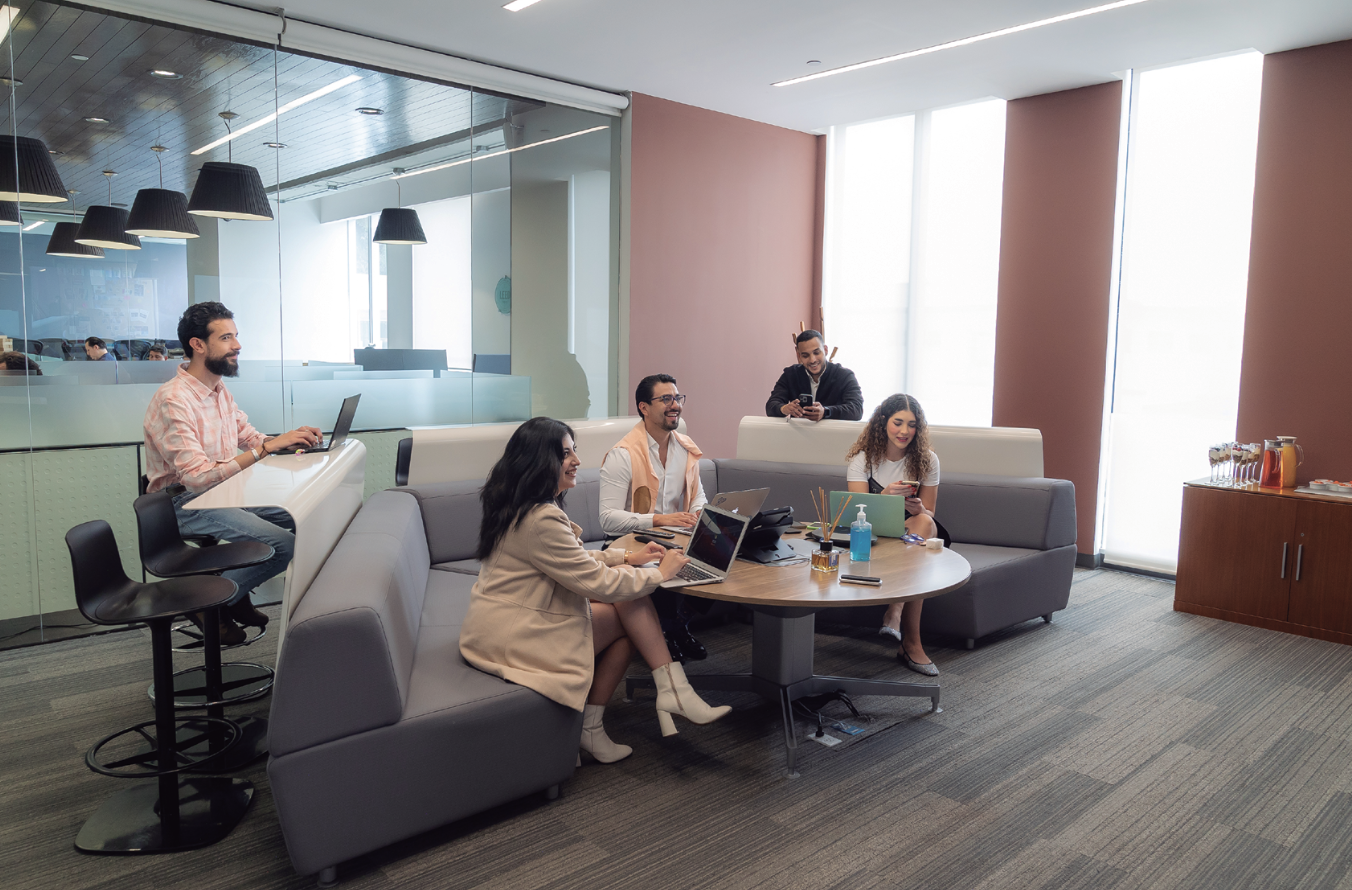
Coworking spaces were originally designed to solve a practical problem: flexible, affordable workspace for independent professionals and growing companies. Over time, they have evolved into something far more valuable. Today’s shared work environments bring together entrepreneurs, executives, creatives, remote employees, and founders from a wide range of industries, often sitting just a few feet apart. This concentration of talent creates a powerful but often underutilized networking opportunity.
Despite the density of potential connections, most interactions in coworking spaces still happen by chance. A brief conversation in the kitchen, a shared table during a busy afternoon, or a casual introduction at a hosted event may spark a relationship. But for many members—especially senior leaders and highly focused professionals—initiating conversations with strangers can feel inefficient, awkward, or disruptive to productivity.
Technology as the Connector, Not the Disruption
This is where modern technology is beginning to reshape the coworking experience. Advances in location awareness, intelligent notifications, and privacy-focused digital platforms are making it possible to surface relevant professional connections without forcing uncomfortable cold introductions. Instead of relying on luck or scheduled networking events, members can become aware of meaningful overlap in real time, such as shared industries, educational backgrounds, professional affiliations, or interests.
For executives and business owners, this approach turns coworking spaces into strategic environments rather than just convenient offices. The ability to identify potential partners, clients, advisors, or talent nearby creates value that extends well beyond square footage and amenities. For managers and senior leaders, technology-enabled networking can support collaboration, professional growth, and team development while respecting time constraints.
Privacy-First Networking as the Next Differentiator
Coworking operators also stand to benefit. Tools that quietly enhance connection can strengthen community engagement without adding operational complexity. Unlike traditional event-driven networking, which requires staff time and member participation, modern digital approaches work continuously in the background. They allow members to engage on their own terms, when it is relevant and appropriate.
Importantly, successful networking technology in coworking spaces must be privacy-first. Professionals expect control over what they share, when they are visible, and how they engage. Platforms that respect these boundaries are more likely to gain adoption across diverse user groups, from C-level executives to operational staff.
As coworking continues to mature, the next phase of differentiation will not be driven solely by design, location, or amenities. It will be driven by how effectively spaces help their members unlock the value of the people around them. By thoughtfully integrating modern, unobtrusive networking technology, coworking spaces can transform everyday proximity into meaningful opportunity.
Steven Eppinger is the Founder and CEO of Connector Technologies LLC, a company focused on helping professionals discover meaningful, real-world connections through modern, privacy-first technology. Connector enables users to identify relevant professional connections nearby based on shared interests and affiliations.